I am updating this
information in late 2020. Given the fact that I am approaching 76 years of age,
I am probably not as up to date as I have been and should be. So, please feel
free to bring to my attention names of researchers in the field who should be added
and I will try to do so when I next make an update. I thank you in advance for
your help and guidance.
Also, many of the people
whose photos, names, affiliations, and web links I offer here are friends I
should have highlighted in my earlier TheoryPage web site. I am sorry that I
waited this long to notice the omissions.
Jack Simons
Before introducing some of
the theoretical chemists I have not yet mentioned, I want to bring your
attention to a wonderful web
site that tells about the women who are working in the areas of theoretical
and computational chemistry. I urge you to take a look at this excpetional
resource.
The field of theoretical
chemistry continues to advance and many new young scholars are making important
contributions. In this section, I try to highlight some of these people who
have joined the ranks of independent theoretical chemists since about 2009 as
well as others who have been active even earlier.
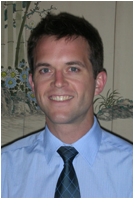
Professor Tom Miller, Cal
Tech
Professor Doug
Tobias, U. Cal., Irvine
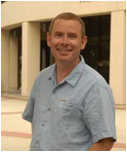
Professor Kieron Burke,
U. Cal., Irvine
Professor
Filipp Furche, U. Cal., Irvine
Professor Lyudmila Slipchenko, Purdue University, describes her research as follows.
Professor Adam Wasserman, Purdue
University
Professor Michael
Galperin, U. C. San Diego
Professor Francesco Paesani, U. C. San
Diego
Professor Ian Thorpe, U. Maryland,
Baltimore County
Professor Oleg
Prezhdo, Univ. of Rochester
Professor
Xiaosong Li, Univ. of Washington
Anna Krylov, Univ. of Southern California
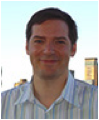
Professor Joel Eaves,
University of Colorado
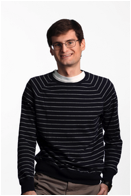
Professor J. R. Schmidt,
Wisconsin
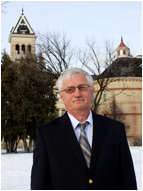
Alexander Boldyrev, Utah State Univ.
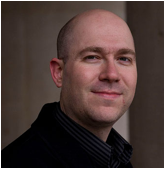
Professor Alán
Aspuru-Guzik, University of Toronto
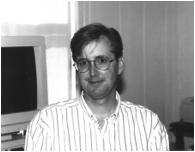
Professor Carlos Simmerling, Stony Brook
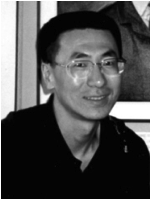
Professor Jin Wang, Stony Brook
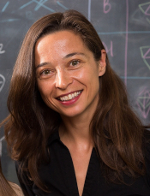
Professor
Anastassia Alexandrova, UCLA
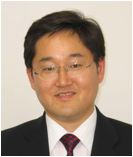
Professor Seogjoo Jang, City University of New York, Queens College
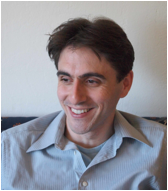
Professor Joseph Subotnik, University of Pennsylvania
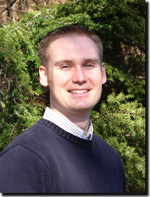
Professor Ryan Steele, Univeristy of
Utah
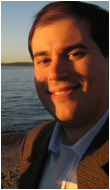
Professor David Masiello, University of Washington
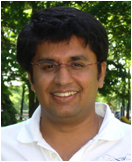
Professor Ari Chakraborty, Syracuse University
Professor Dmitry Babikov, Marquette University
Professor Qadir Timerghazin, Marquette University
Professor Ben Levine, Stony Brook University
Prof. Daniel Lambrecht, Florida Gulf Coast University

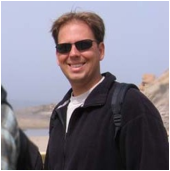
Professor Gregory Beran, University of California, Riverside.
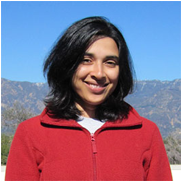
Professor Nandini
Ananth, Cornell University Chemistry
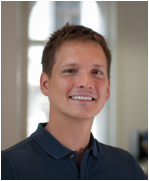
Professor Michael
Grünwald, University of Utah
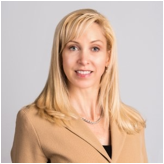
Jessica Swanson, Univ. of Utah
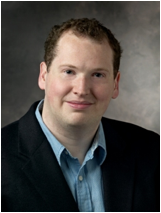
Professor Thomas
Markland, Stanford Univeristy
Professor
Johannes Hachmann, Univ of Buffalo
Prof. Suri
Vaikuntanathan, U. of Chicago
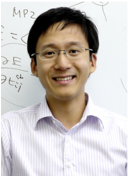
Prof.
Toru
Shiozaki, Northwestern Univ.
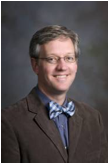
Daniel Crawford, Virginia Tech
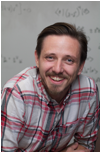
Nicholas Mayhill, Virginia Tech
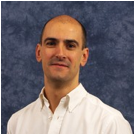
Diego Troya, Virginia
Tech
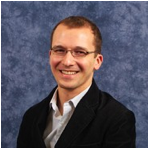
Ed Valeev, Virginia Tech

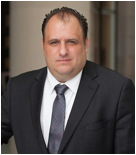
Robert Distasio,
Cornell University
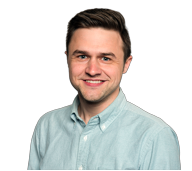
Timothy Berkelbach, Columbia University
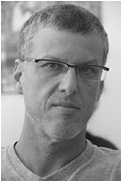
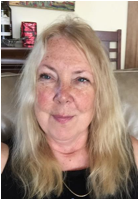
Teresa Head-Gordon, U. C. Berkeley
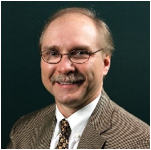
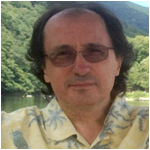
Piotr Piecuch, Michigan State U
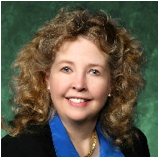
Angela Wilson, Michigan State U
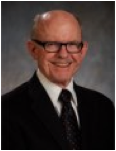
Ken Houk, UCLA
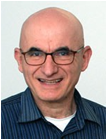
Daniel Neuhauser, UCLA
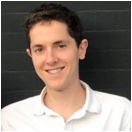
Grant Rotskoff, Stanford
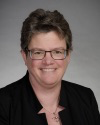
Anne McCoy, Univ. of Washington
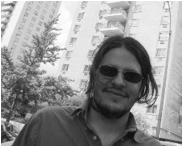
Angelo Cacciuto, Columbia University
Richard Friesner, Columbia University
David Reichman, Columbia University
Phil Geissler, Berkeley
Eric Neuscamman, Berkeley
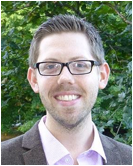
Devid Limmer, Berkeley
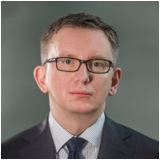
Piotr Skurski, Univ. of Gdansk
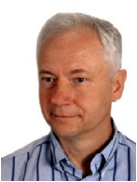
Maciej Gutowski, Heriot-Watt University
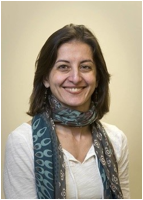
Spiridoula Matsika, Temple University
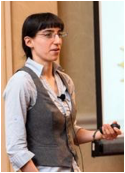
Brenda Rubenstein, Brown University
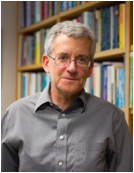
Richard Stratt, Brown University
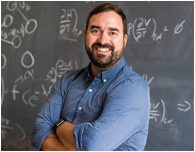
Adam Willard, MIT
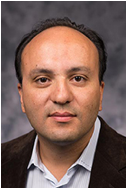
Ignacio Franco, Univ. of Rochester
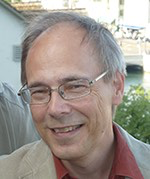
Trygve Helgaker, Univ. of Oslo
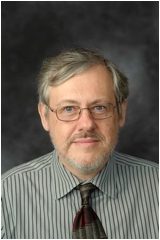
Mark Hoffmann, Univ. of North Dakota
Victor Batista, Yale Univ.
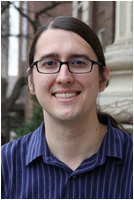
Jason Goodpaster, Univ. of Minnesota
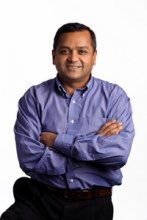
Arun Yethiraj, Univ. of Wisconsin
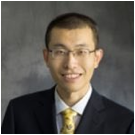
Yang Yang, Univ. of Wisconsin
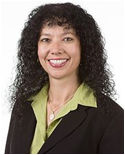
Coray Colina, Univ. of Florida
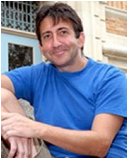
John Stanton, Univ. of Florida
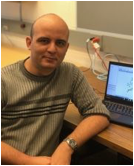
Ramon Quintana, Univ. of Florida
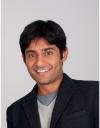
Sandeep Sharma, Univ. of Colorado
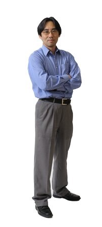
So Hirata, Univ. of Illinois
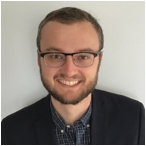
Nick Jackson, Univ. of Illinois
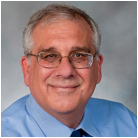
Peter Wolynes, Rice University
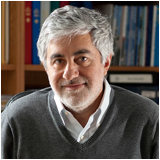
Gustavo Scuseria, Rice University
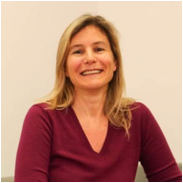
Cecilia, Clementi, Rice University